
Alert over parasites in a “healthy” mackerel in Spain
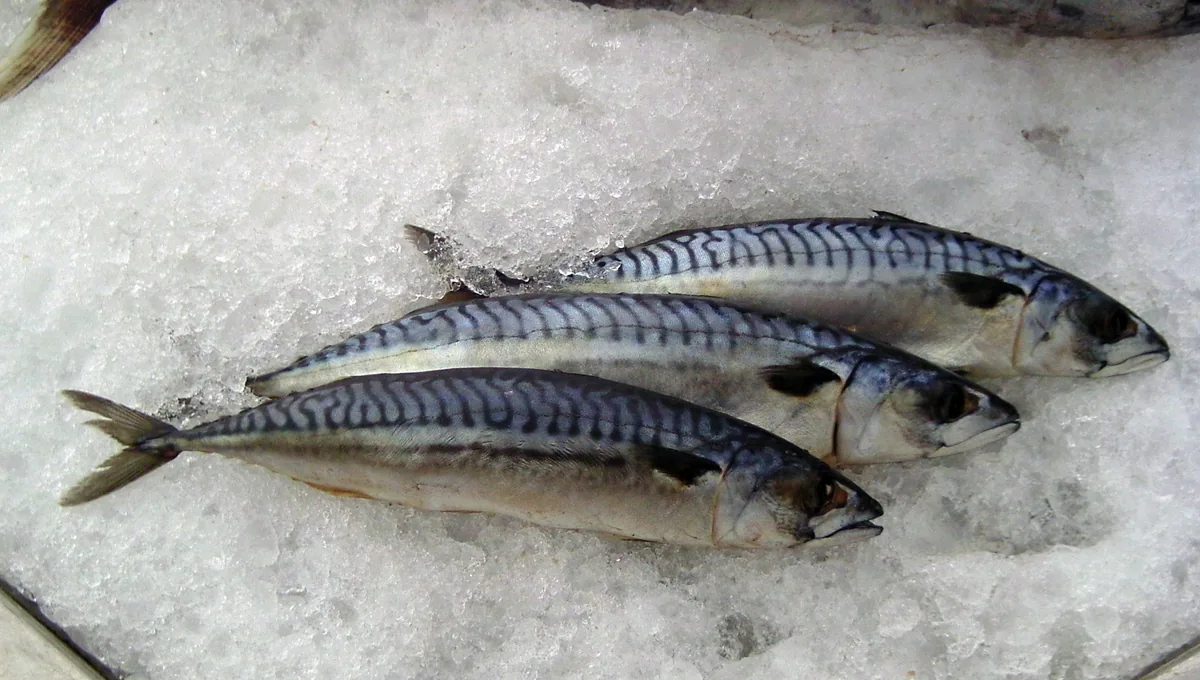
A recent study by the Universitat de València (UV) has highlighted health risks associated with a species of mackerel commonly regarded as healthy: the Atlantic chub mackerel (Scomber colias), which is often confused on the market with Atlantic mackerel.
What has been detected
The scientists analysed 250 specimens of Atlantic chub mackerel (125 from the Atlantic and 125 from the Mediterranean), bought from different supermarkets in and around the city of Valencia. They found Anisakis type I larvae —the main causative agent of anisakiasis— and other parasites (Contracaecum, Hysterothylacium and the acanthocephalan Rhadinorhynchus pristis) which, although they are not usually dangerous to health, spoil the appearance and texture of the fish.
Differences between species and origin of the fish
Two species of mackerel are sold in Spain: the Atlantic chub mackerel (Scomber colias) and the Atlantic mackerel (Scomber scombrus). Despite their biological differences, these species are often confused by both consumers and sellers.
The study points out that the presence of Anisakis varies depending on the geographical origin of the fish: the prevalence of Anisakis type I was higher in specimens from the Atlantic Ocean than in those from the Mediterranean.
The researchers therefore draw attention to the importance of clearly distinguishing the species of mackerel being bought and its origin, preferably by checking the label on the packaging or at the counter.
Risks and health recommendations
Anisakiasis is a disease caused by eating fish infected with Anisakis larvae, particularly if it is eaten raw or is not properly cooked/frozen.
To reduce the risk, the researchers point to the preventive measures of the European Food Safety Authority (EFSA): cooking fish to a minimum internal temperature of 60 °C for at least 1 minute, or freezing it at –20 °C for at least 24 hours (preferably 3 days) or at –35 °C for at least 15 hours, if it is to be eaten raw or semi-raw.
Conclusion
Although mackerel —including the chub mackerel variety— is valued for its nutritional benefits, eating it without precautions can involve a risk of parasitisation. According to the authors, Atlantic mackerel is even more heavily parasitised than chub mackerel, and the risk is lower if the fish comes from the Mediterranean; they therefore advise taking preventive measures: it is essential to know the species, its origin and to apply food safety measures correctly.
Sources: Universitat de València, Parasitologia (MDPI), elEconomista