
First confirmed case of anisakiasis in Greece after a sushi dinner
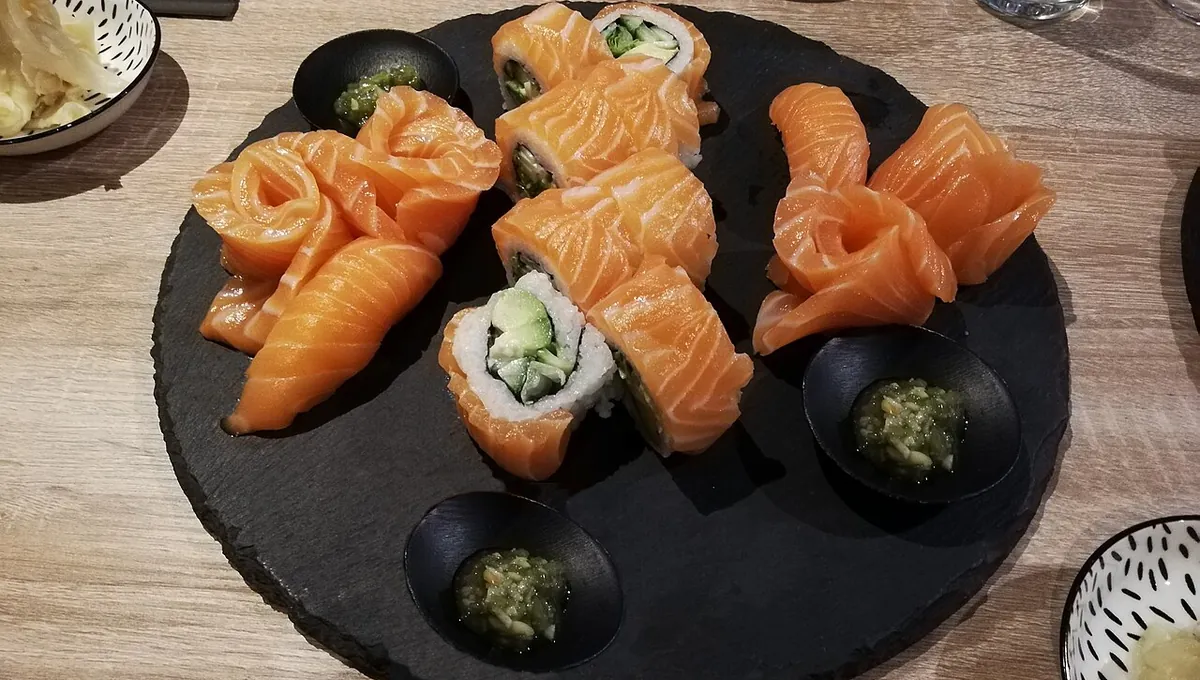
A 22-year-old man living in the Greek city of Thessaloniki was hospitalised, becoming the first confirmed case of anisakiasis in Greece. The incident occurred shortly after the young man ate sushi; he began to experience sudden, intense abdominal pain after the dinner.
Diagnosis and treatment
Initially, the clinical picture led doctors to suspect a possible tumour, which is why exploratory surgery was performed. It was not until subsequent tests that the true source of the problem was discovered: a larva of the parasite Anisakis simplex attached to the patient's digestive tract. After receiving appropriate treatment —mainly antibiotics—, the young man made very good progress and is expected to make a full recovery in the coming days.
What is anisakiasis?
Anisakiasis is an infection caused by larvae of the Anisakis parasite, which may be present in raw or undercooked fish or shellfish. When ingested, the larvae can attach to the wall of the oesophagus, stomach or intestine, causing symptoms such as abdominal pain, nausea, vomiting, diarrhoea, bloating, sometimes blood or mucus in the stools, mild fever, and even allergic reactions.
Although the disease is more common in countries with high consumption of raw fish, such as Japan, changes in eating habits have led to cases like this one emerging in other parts of Europe.
How to prevent anisakiasis
To avoid Anisakis infection when eating raw or semi-raw fish (sushi, sashimi, ceviche, etc.), the health recommendations are clear:
- Cook fish thoroughly, reaching a minimum internal temperature of around 63 °C.
- Freeze fish properly before eating it raw: for example, at −20 °C for at least 7 days, or at −35 °C for at least 15 hours.
- Make sure the fish comes from reliable suppliers that follow food safety standards —especially if it is eaten raw.
Significance of the case
This case is particularly relevant because it is the first officially documented in Greece, which shows that anisakiasis is not exclusive to regions traditionally associated with eating raw fish. It also highlights the risks linked to the rising popularity of sushi and similar dishes: without correct preparation of the fish, there is a real danger of infection.
The health authorities have taken the opportunity to stress the importance of prevention, proper handling of fish and the need to inform those who eat raw or semi-raw fish about the possible risks.
Source: Greek City Times