
Anisakis control: the role of veterinarians from the fish market to the table
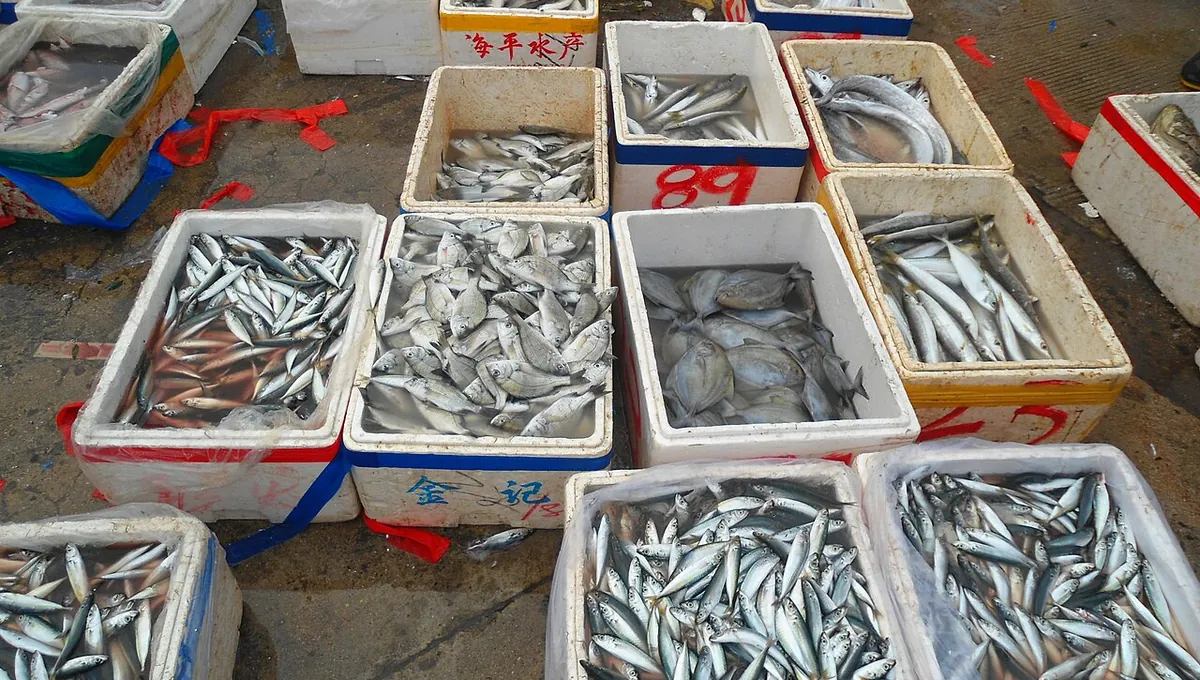
The prevention of anisakiasis and foodborne infections does not begin in the home freezer, but much earlier. As highlighted by the specialist newspaper ConSalud, the work of veterinary professionals is essential to guarantee the safety of fishery products throughout the entire supply chain, acting as the first line of defence for public health.
INSPECTION IN PORT AND AT FIRST SALE (FISH MARKETS)
Veterinary intervention begins immediately as soon as catches arrive in port:
- Sampling and visual inspection: A representative analysis of the fish landed at the fish markets is carried out to detect the visible presence of Anisakis spp. larvae in the coelomic cavity and internal organs.
- Cold chain control: Veterinarians ensure that appropriate refrigeration temperatures are maintained immediately. Keeping the fish cold slows the migration of larvae from the viscera into the fish's muscle tissue.
- Gutting protocols: Checks are made that gutting is carried out as soon as possible to drastically reduce the likelihood of proliferation in the muscle.
GUARANTEES IN THE PROCESSING INDUSTRY AND DISTRIBUTION
During the intermediate stage of processing and wholesale storage, official controls are stepped up:
- Detection techniques: Supervision of the use of candling tables and systematic parasitological inspection on cutting and filleting lines.
- Guaranteed industrial freezing: Inspection of industrial facilities to ensure that -20 °C (or lower temperatures) is reached at the thermal centre of the product for the minimum times laid down by European Union legislation.
VERIFICATION IN THE HOSPITALITY SECTOR AND RETAIL TRADE
The last link in the chain requires the utmost attention before consumption, especially for raw or undercooked fish preparations:
- Compliance with Royal Decree 1021/2022: Veterinary inspectors check that establishments serving raw, marinated or pickled fish (such as sushi, ceviche or traditional anchovies in vinegar) freeze the raw material beforehand in accordance with the law.
- Cooking processes: Verification that conventional cooking evenly reaches temperatures above 60 °C at the core of the piece, ensuring complete inactivation of the parasite.
ONGOING WORK THAT PROTECTS CONSUMERS
As the information from ConSalud reflects, food safety with regard to anisakis is the result of coordinated veterinary surveillance that accompanies the fish from its harvesting at sea to its final delivery to the consumer or diner.
Source: ConSalud