
Thermal inactivation of Anisakis: what the HEATSAKIS project reveals about time and temperature
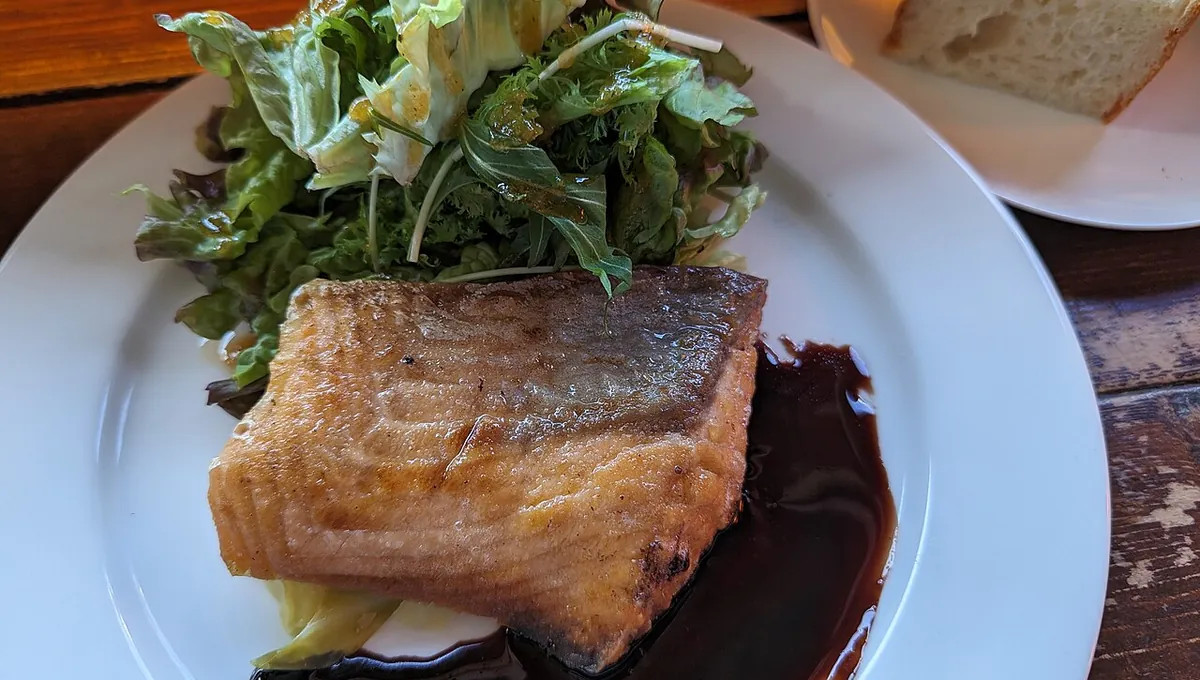
To ensure safety when eating fish, the general health recommendation is clear: reach at least 60 °C at the centre of the product for a minimum of 1 minute. However, the effectiveness of heat against parasites involves more nuances than a single fixed figure.
The HEATSAKIS research project, led by the CSIC's Instituto de Ciencia y Tecnología de Alimentos y Nutrición (ICTAN-CSIC), provides new quantitative data on how Anisakis larvae respond to different heat treatments.
A quantitative trial with more than 60,000 larvae
The research was based on the analysis of more than 60,000 Anisakis larvae. The study combined trials under laboratory conditions with tests on fish fillets subjected to representative cooking processes.
The central aim was to monitor the survival of the parasite when exposed to various combinations of time and temperature, as well as to varying heating and cooling profiles.
Progressive biological deterioration before inactivation
The project analysed the physiological changes in the parasites as the temperature increased. Instead of assessing only whether the larva survived or died at the end of the process, the researchers examined several biological parameters:
- Mobility and respiratory capacity
- Ability to penetrate tissue
- Resistance to simulated gastric juices
The data indicate that the larvae undergo progressive functional deterioration as they are heated, losing vitality before complete inactivation is reached. The more intense the heat treatment, the greater the susceptibility of the surviving specimens.
The complete thermal history determines safety
One of the contributions of the predictive models developed in HEATSAKIS is that the maximum temperature reached is not the only relevant variable. The overall thermal profile of the food determines the final outcome:
- Heating rate: The rate at which the temperature rises influences the cellular damage to the parasite.
- Cooling rate: The time the food remains at high temperatures after being removed from the heat source continues to affect the larva.
- Effect of the food matrix: Heat transfer processes vary depending on the thickness, composition and type of fish.
Two pieces of fish that reach the same maximum temperature may have different levels of safety depending on how the thermal curve developed during cooking.
Simulation models and open data
The knowledge generated by the project has been translated into mathematical models and simulation software designed to assess real processing and cooking scenarios.
In addition, the experimental datasets have been incorporated into the institutional repository DIGITAL.CSIC. This documentation enables researchers, health authorities and the fishing industry to optimise control strategies and adapt cooking processes according to the actual level of risk.
Source: Ruta Pesquera