Anisakis genome decoded: science moves towards genetic control of the fish parasite
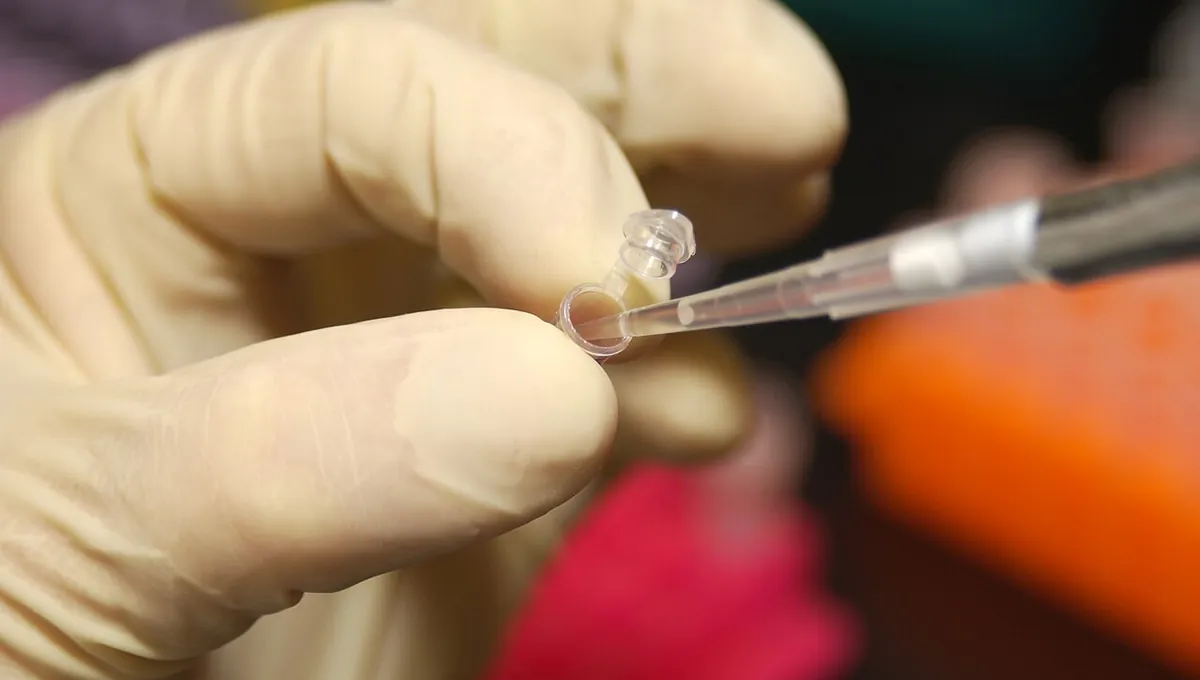
A study by the CNAG, the Universidade de Santiago de Compostela and the IIM-CSIC has produced the most contiguous genome assembly of Anisakis simplex to date and a low-cost tool to distinguish the parasite's species and hybrids.
Anisakis is a concern for the fishing sector and affects the marketing of key species such as hake. According to health recommendations, it poses no risk when the fish is cooked or frozen before preparation.
In this work, researchers from the Centro Nacional de Análisis Genómico (CNAG), in collaboration with the Universidade de Santiago de Compostela (USC) and the Instituto de Investigaciones Marinas (IIM-CSIC), have sequenced and assembled the genome of Anisakis simplex, the most abundant species in the Northeast Atlantic, producing the most contiguous assembly of this species to date.
A genome with 98.2% complete genes
The study, published in the journal Scientific Reports, presents an assembly in which 98.2% of the reference nematode genes are complete, a measure of the genome's completeness. The researchers identified nearly two million single-base variants and around 150,000 small structural variants, and the IIM-CSIC collected and characterised around 2,000 specimens of A. simplex, A. pegreffii and their hybrids.
This scientific achievement is not just a theoretical map, but the basis for developing practical applications:
- A low-cost molecular tool: Using the genomic information, the team has designed a test based on ten genetic variants that distinguishes with high accuracy between Anisakis simplex and Anisakis pegreffii and also identifies their hybrids.
- Studying populations: The USC team has defined a panel of nearly 500 genetic variants to study the historical and current dynamics of the parasite's populations. The specimens came from hosts in the Northeast Atlantic, including commercial species such as hake and blue whiting.
- Climate change: According to the researchers, climate change is pushing Anisakis species to adapt genetically. As future work, they plan to study the link between marine heatwaves and changes in the parasite's gene expression and in the distribution of its populations.
What does this breakthrough mean for consumers?
According to the researchers, the work will help improve control of the parasite both in the fishing industry and in food consumption. The scientific paper adds that these genomic resources will support surveillance programmes, anisakiasis management in fisheries and seafood safety.
Basic reminder on prevention at home
While science advances in the genomic traceability of the parasite, prevention guidelines in the kitchen remain effective:
- Prior freezing: If eaten raw or in preparations that do not kill the parasite (such as anchovies in vinegar or sushi), freeze at -15 °C or below for at least 4 days, counting at least 5 days from when it goes into the freezer. If in doubt about your freezer, buy the fish already frozen.
- Heat: Cook until the whole piece reaches 60 °C for at least 1 minute (boiled, fried, baked or griddled).
Sources: Industrias Pesqueras, CNAG, Scientific Reports, AESAN