
Beyond 96%: scientific analysis of the study on parasites in tuna and the omitted clinical factors
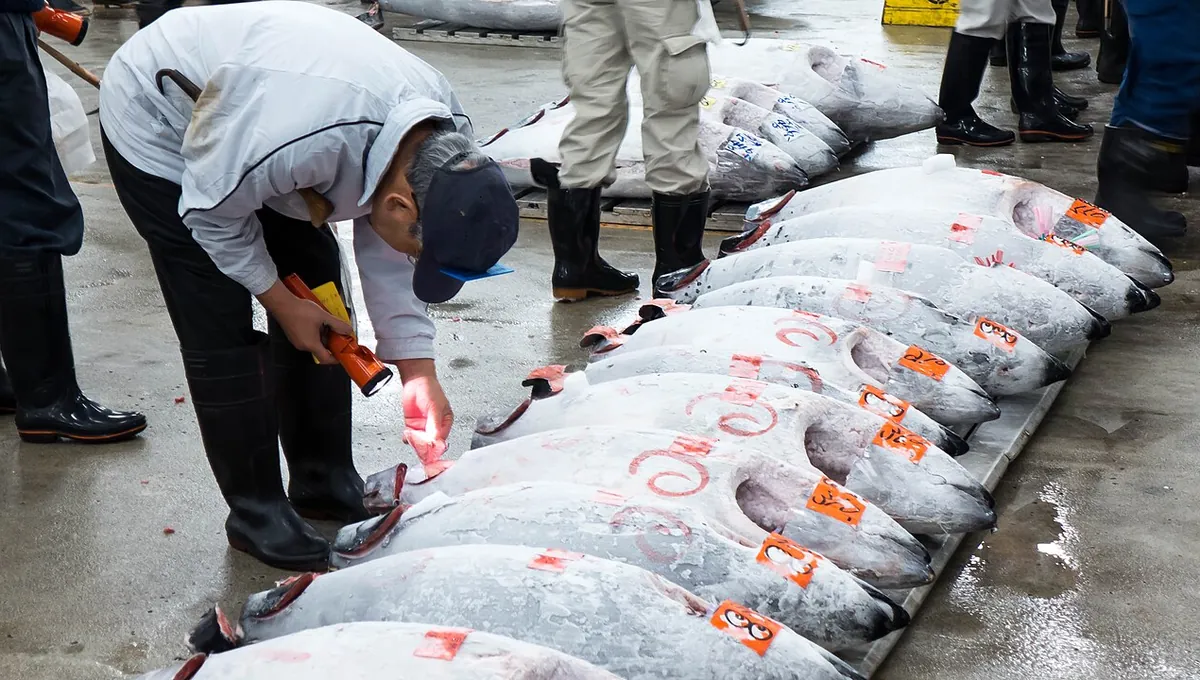
A rigorous food safety analysis requires examining the recent research on skipjack tuna (Katsuwonus pelamis) published in Ocean and Coastal Research from a strictly objective and informative perspective. In contrast to the media echo generated by the figure of 96% parasite detection, the scientific literature invites us to qualify the study's structural data and to broaden the focus to complementary clinical factors that are not usually detailed in mass-market news reports.
Methodological context of the study
The work analysed 53 specimens caught in Brazilian waters, recording parasites in 96% of the whole specimens. However, to interpret this metric accurately, the research itself establishes fundamental anatomical distinctions:
- Total sample versus edible tissue: The overall percentage includes internal organs, the visceral cavity and viscera (such as the intestine or liver, where most of the larvae are concentrated). When observation is restricted to the muscle —the part intended for consumption—, the prevalence falls to 58.5%.
- Parasite diversity: The groups found included Anisakis sp., Trypanorhyncha larvae and Rhadinorhynchus sp. Of these, only Anisakis has relevant zoonotic implications for humans, while the others are mainly associated with commercial or aesthetic considerations.
The omitted clinical factor: Allergy to Anisakis proteins
While the media tend to focus the debate on the risk of active infection (anisakiasis) from eating live larvae —a risk that is effectively neutralised by freezing at −20 °C for one week or cooking at over 63 °C at the centre of the piece—, clinical practice and allergology address an additional aspect:
- Heat resistance of allergens: The proteins and peptides responsible for allergic sensitisation (such as the major allergen Ani s 1 or tropomyosins) retain their immunological capacity despite heat or freezing treatments.
- Reactions in the absence of a live parasite: A previously sensitised person may experience an allergic response —ranging from skin manifestations to severe conditions— when eating fish containing traces of Anisakis proteins, even when the parasite is completely dead or after the product has undergone industrial sterilisation processes.
- Exposure and sensitisation: Regular consumption of fishery products in populations with diets rich in seafood and fish may favour subclinical sensitisation, a public health issue that goes beyond the mere biological viability of the organism on the plate.
Distinguishing between biological and chemical risks
The safe handling of tuna species requires separating two problems of a completely different nature:
- Parasites (Anisakis): These depend on the presence of biological forms and are controlled by validated freezing or thorough cooking.
- Histamine (scombroid poisoning): This arises from bacterial decomposition resulting from failures in the cold chain. As it is a heat-stable chemical compound, once it has formed in the fish muscle, cooking or freezing the fish does not eliminate the toxin, which underlines the paramount importance of cold storage from the earliest stages of capture.
In conclusion, the data provided by scientific research in the marine environment reflect the natural ecological reality of wild fish populations. Understanding the difference between laboratory detection, culinary safety against the live parasite and the immune response to its allergens makes it possible to assess accurately the guidelines for responsible handling and consumption.
Source: Muy Interesante