
Consumption habits and evisceration at sea: two factors behind anisakis
Anisakiasis is common in Spain. A study published in Scientific Reports (Bao et al., 2017) estimated that between 7,700 and 8,320 cases requiring medical attention occur in the country every year from the consumption of home-prepared anchovies in vinegar alone. The OCU puts the figure at around 8,000 cases a year.
Raw or undercooked fish
The parasite poses no risk when fish is properly cooked or correctly frozen. The problem arises with preparations in which fish is eaten raw, marinated or undercooked, such as anchovies in vinegar or ceviche, if it has not been frozen beforehand.
Viscera are best dealt with on land
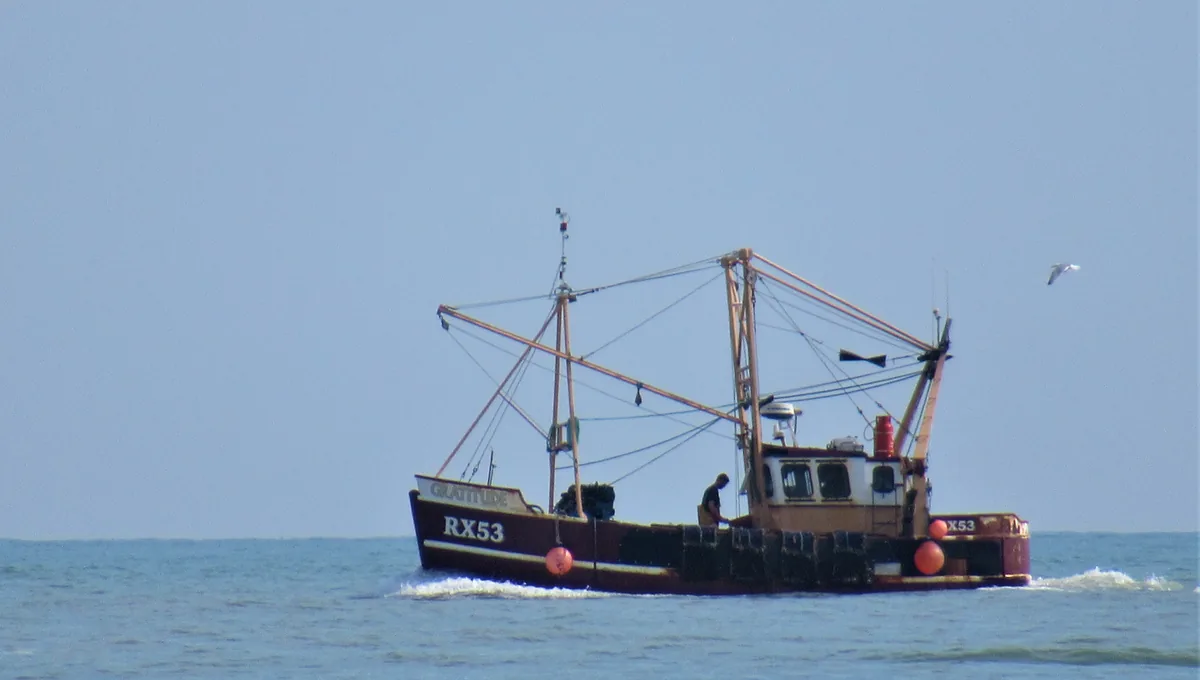
Another part of the problem lies at sea. When fish is gutted on board and the viscera are thrown into the water, the parasite continues its cycle. The Comunidad de Madrid expressly warns of this: throwing viscera into the water encourages the spread of the parasite. That is why it is preferable to process them on land.
How to prevent it at home
According to the recommendations of the Comunidad de Madrid:
- Freeze fish that is to be eaten raw or undercooked for 5 days in a freezer rated three stars or more (so that it reaches -20 °C inside). If the freezer has fewer stars, it is better to buy the fish already frozen.
- Cook fish until it reaches 60 °C at the centre for at least one minute.
Consumer information and good practices on board are therefore two key tools for reducing the presence of the parasite.
Sources: Scientific Reports (Bao et al., 2017), OCU, Comunidad de Madrid