
New recommendations to prevent anisakis
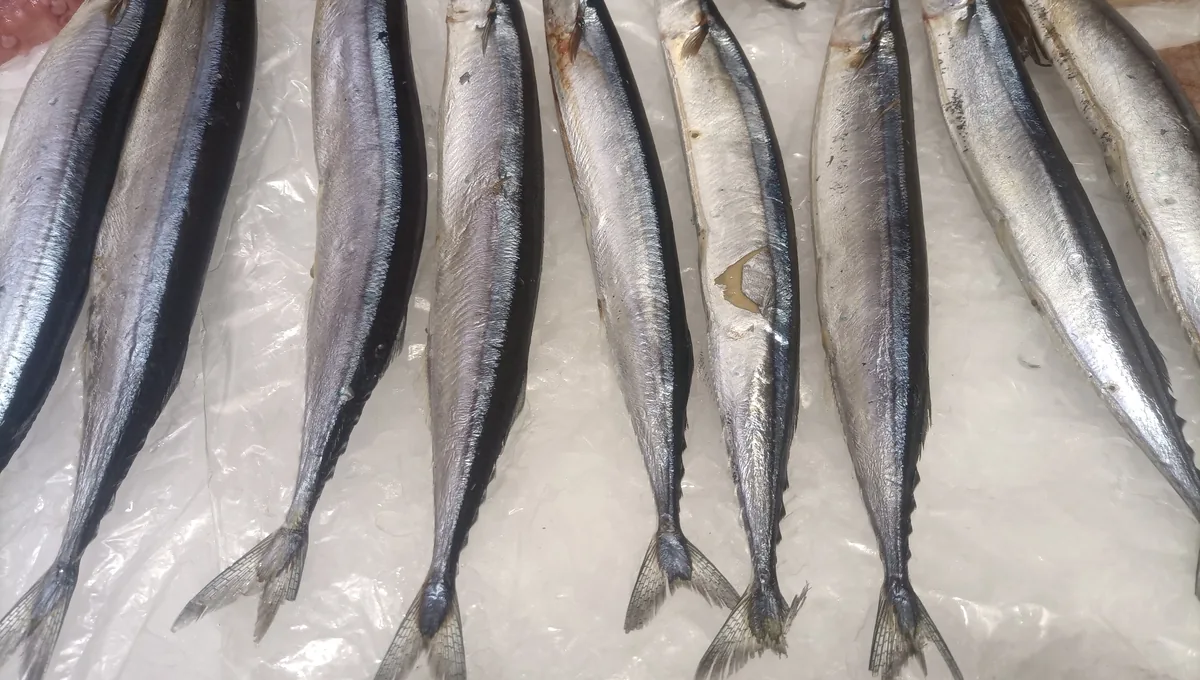
A recent article in Consumer warns that freezing fish for a couple of days is no longer enough to guarantee that the anisakis parasite is eliminated, and sets out updated recommendations to reduce the risk when eating fish.
What can happen if we ingest anisakis?
When someone eats infected fish without taking precautions, they can develop anisakiasis: the larvae attach to the wall of the stomach or intestine, causing inflammation, abdominal pain, nausea, vomiting or diarrhoea. In more serious cases, they can cause perforations or migration of the parasite.
Furthermore, even if the larva is already dead, the protein compounds it produces can trigger allergic reactions in sensitive people, ranging from mild symptoms to severe reactions.
Why is freezing for two days not enough?
Until now, the recommendation was to freeze fish at –20 °C for a couple of days if it was going to be eaten raw or undercooked. However, cases of Anisakis infection have been documented that occurred despite following this practice. This indicates that some larvae can withstand those conditions or that domestic freezers do not actually reach –20 °C.
For this reason, the recommendations have changed:
- Check that the freezer actually reaches –20 °C. Many models only reach –18 °C.
- If the freezer reaches –20 °C, keep the fish frozen for at least 5 days.
- If it only reaches –18 °C, extend the freezing period to 7 days.
- Inspect and clean the fish thoroughly before freezing it.
- Ensure adequate cooking: reach 60 °C for 10 minutes to kill live larvae.
Keys to eating fish safely
- Do not rely solely on “a couple of days of freezing” if the domestic appliance does not guarantee genuinely low temperatures.
- Apply the new freezing periods to ensure the parasite is eliminated.
- Cook fish properly (sufficient internal temperature and time).
- Handle and clean fish thoroughly before freezing or cooking it.
These new guidelines aim to strengthen food safety and reduce the risk of anisakiasis in the home, bearing in mind that good practice in handling and preparing fish remains the best way to prevent this type of infection.
What AESAN says
For home consumption, the Spanish Agency for Food Safety and Nutrition (AESAN) recommends freezing fish that is to be eaten raw or undercooked at −15 °C or below for at least 4 days (it advises counting 5 days from when it goes into the freezer) and, when cooking it, reaching 60 °C for at least one minute throughout the piece; as a guide, a piece about 2.5 cm thick needs around 10 minutes in total.
Sources: Consumer Eroski, AESAN: recommendations on anisakis